
Low Back Pain

Low back pain is one of the most common reasons people seek healthcare. Whether it develops after lifting a heavy object, sitting for long periods, participating in sports, or simply through everyday wear and tear, low back pain can affect nearly every aspect of daily life. From getting out of bed in the morning to walking, exercising, or completing household tasks, discomfort in the lower back can make even simple activities feel challenging.
The lower back, also known as the lumbar spine, supports much of the body's weight while providing stability and flexibility. Because it plays such an important role in movement and posture, it is particularly vulnerable to strain, injury, and degeneration. At Renaud Chiropractic Clinic, we provide personalized chiropractic care, spinal decompression, and rehabilitation strategies designed to address the source of low back pain and support long-term spinal health.
Understanding Low Back Pain and Why It Happens
The lumbar spine consists of five vertebrae, spinal discs, muscles, ligaments, joints, and nerves that work together to support movement and absorb stress. When any of these structures become irritated or damaged, pain and restricted mobility can occur.
Low back pain may appear suddenly after an injury or develop gradually over time. Some individuals experience a dull ache, while others report sharp pain, stiffness, muscle spasms, or discomfort that radiates into the hips and legs.
Many patients initially notice symptoms when bending over, lifting objects, sitting for extended periods, or standing for too long. Others find that their pain becomes worse first thing in the morning or after physical activity. Because multiple structures can contribute to low back pain, identifying the underlying cause is often the first step toward effective treatment.
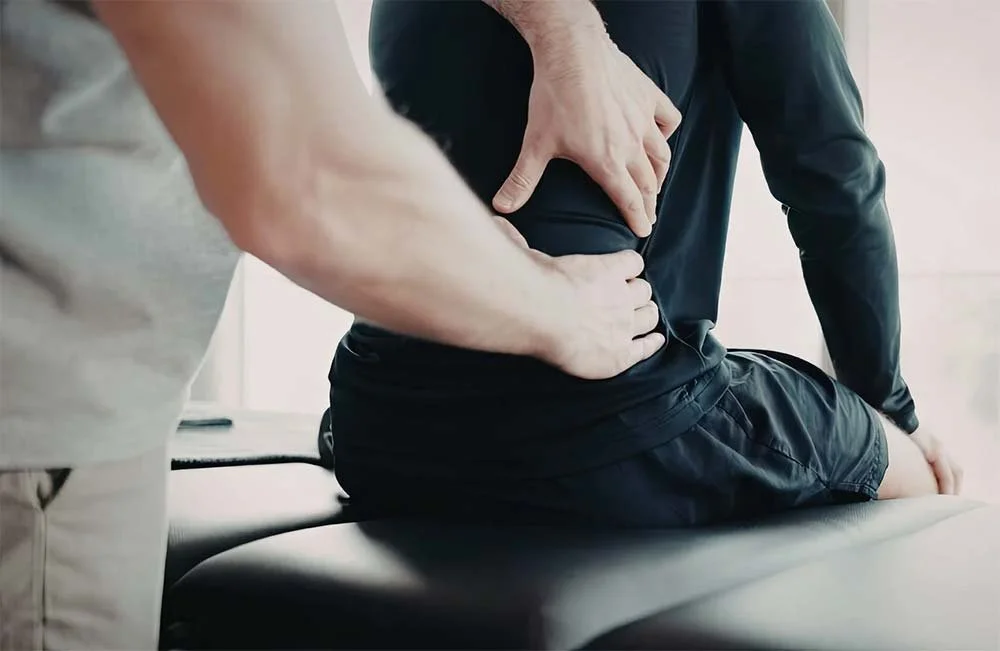
Common Symptoms Associated with Low Back Pain
Low back pain can affect more than just the lumbar spine. Depending on the cause, symptoms may extend into the hips, buttocks, legs, and surrounding muscles.
Common symptoms include:
Aching or stiffness in the lower back
Pain when bending, lifting, or twisting
Muscle spasms
Reduced range of motion
Pain that radiates into the hips or legs
Numbness or tingling in the lower extremities
Difficulty standing for long periods
Discomfort when sitting for extended periods
Weakness in the legs
Because these symptoms may be linked to disc problems, nerve irritation, joint dysfunction, or muscle strain, a thorough evaluation can help determine the source of discomfort.
Common Causes of Low Back Pain
Low back pain can result from a variety of factors, including lifestyle habits, injuries, and age-related changes.
1. Poor Posture and Sedentary Lifestyles
Spending hours sitting at a desk, driving, or looking down at electronic devices can place significant stress on the spine. Poor posture often contributes to muscle imbalances that increase pressure on the lumbar region.
2. Muscle Strain and Overuse
Lifting heavy objects improperly, repetitive movements, or sudden physical exertion can strain muscles and ligaments in the lower back.
3. Herniated or Bulging Discs
Spinal discs act as cushions between vertebrae. When a disc becomes damaged or shifts out of place, nearby nerves may become compressed, causing pain, numbness, or weakness.
4. Auto Accident Injuries
Motor vehicle collisions often affect the spine, even in low-speed crashes. Many people seek care from an auto accident chiropractor near their community after developing low back pain, stiffness, or mobility issues following an accident.
5. Degenerative Conditions
Conditions such as arthritis, spinal stenosis, and degenerative disc disease become more common with age and can contribute to chronic low back discomfort.
The Connection Between Low Back Pain and the Nervous System
The spine protects the spinal cord and nerve roots that carry signals throughout the body. When spinal joints lose mobility or become misaligned, surrounding tissues and nerves may become irritated.
This irritation can contribute to pain, inflammation, muscle tightness, and altered movement patterns. Chiropractic care focuses on improving spinal function and reducing stress on the nervous system to help support overall health and mobility.


Low Back Pain and Sciatica
One of the most common conditions associated with low back pain is sciatica. Sciatica occurs when the sciatic nerve becomes irritated or compressed, often due to a herniated disc or spinal dysfunction.
Symptoms of sciatica may include:
Pain that travels down one leg
Tingling or numbness
Burning sensations
Muscle weakness
Pain that worsens when sitting
Many individuals searching online for a sciatica chiropractor near me are experiencing symptoms that originate in the lower back. Identifying the cause of nerve irritation is essential for developing an effective treatment strategy.

The Connection Between Low Back Pain and the Nervous System
The spine protects the spinal cord and nerve roots that carry signals throughout the body. When spinal joints lose mobility or become misaligned, surrounding tissues and nerves may become irritated.
This irritation can contribute to pain, inflammation, muscle tightness, and altered movement patterns. Chiropractic care focuses on improving spinal function and reducing stress on the nervous system to help support overall health and mobility.
How Chiropractic Care May Help Low Back Pain
A chiropractor evaluates posture, spinal alignment, movement patterns, and nervous system function to determine factors contributing to low back discomfort.
Treatment plans are personalized and may include several different approaches.
1. Chiropractic Adjustments
Spinal adjustments are designed to restore mobility and improve joint function. By addressing restrictions within the spine, adjustments may help reduce pain and improve movement.
When performed by an experienced chiropractor, chiropractic adjustments are tailored to each patient's needs and comfort level.
2. Soft Tissue Therapy
Muscles, tendons, and connective tissues often contribute to low back pain. Soft tissue techniques may help reduce tension, improve circulation, and support recovery.
3. Corrective Exercises
Specific exercises can strengthen supporting muscles, improve flexibility, and help reduce strain on the lumbar spine.
4. Lifestyle and Ergonomic Recommendations
Simple changes to posture, workstation setup, lifting techniques, and daily habits can help reduce stress on the lower back.

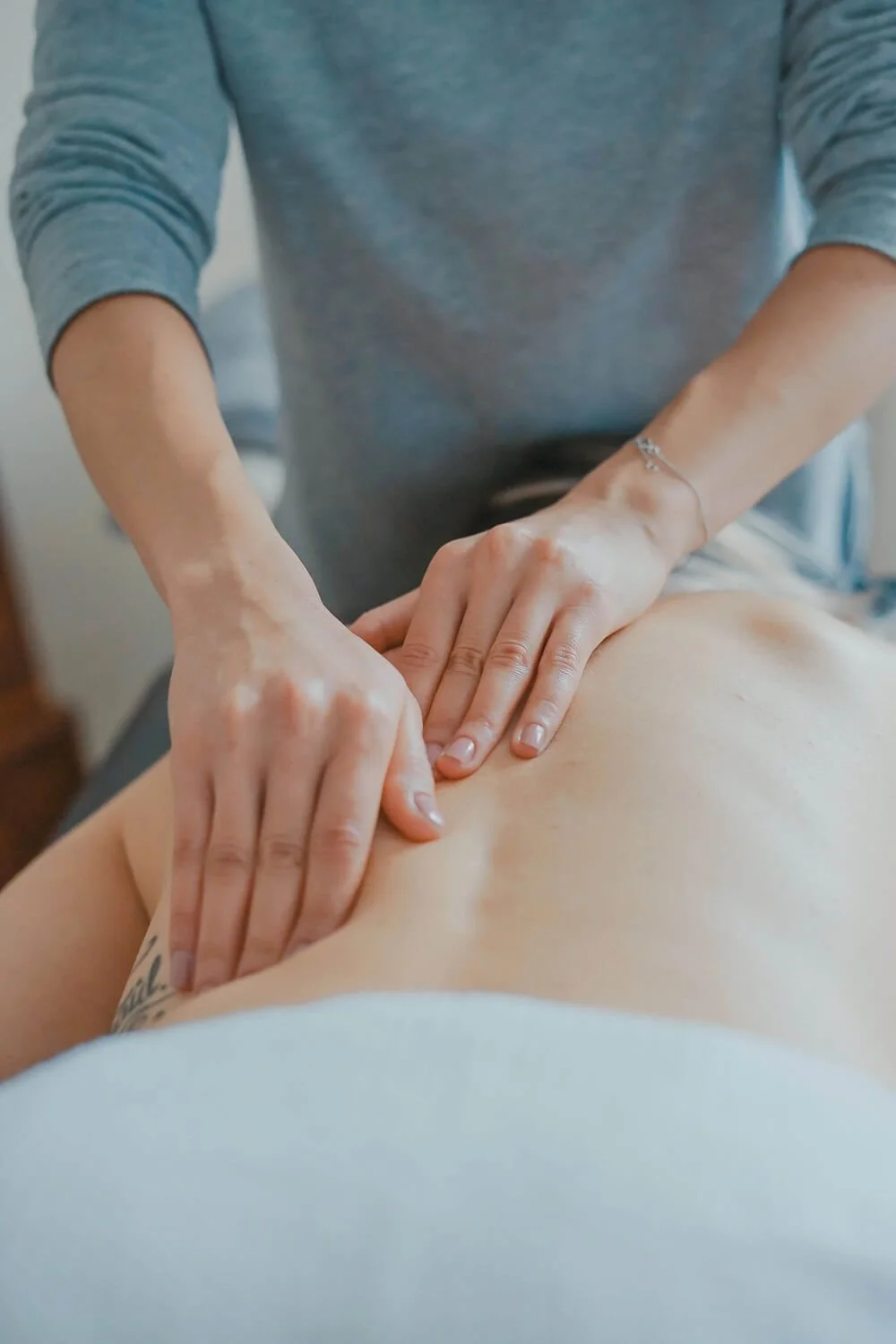
The Role of Spinal Decompression and Disc Decompression Therapy
For patients experiencing disc-related low back pain, spinal decompression may be recommended as part of a comprehensive treatment plan.
Spinal decompression is a non-surgical therapy designed to gently reduce pressure on spinal discs and nerves. Through controlled stretching of the spine, decompression therapy creates space between vertebrae, encouraging improved circulation and nutrient exchange within damaged tissues.
Disc decompression therapy is commonly used for:
Herniated discs
Bulging discs
Degenerative disc disease
Nerve compression
Chronic low back pain
Many patients appreciate that spinal decompression offers a conservative treatment option without invasive procedures.
Chiropractic Care for Athletes and Sports Recovery
Athletes place significant demands on their bodies. Repetitive movement patterns, impact forces, and intense training schedules can create stress throughout the spine and musculoskeletal system.
Many professional and recreational athletes utilize chiropractic care for sports recovery to support mobility, flexibility, and injury prevention. Chiropractic for athletes may help improve movement efficiency, reduce muscle tension, and support faster recovery following physical activity.
Whether training competitively or staying active recreationally, maintaining proper spinal function can play an important role in performance and overall wellness.

Low Back Pain, Neck Pain, and Whole-Body Function
Although low back pain originates in the lumbar spine, it can influence other areas of the body. Poor posture, altered movement patterns, and compensatory muscle tension may contribute to discomfort elsewhere.
For example, patients seeing a neck pain chiropractor may discover that spinal dysfunction in the lower back is affecting overall posture and biomechanics. Likewise, some patients who require a neck adjustment may also have restrictions affecting the lower spine.
Because the body functions as an interconnected system, comprehensive chiropractic evaluations often assess the entire spine rather than focusing solely on one symptom.
Did You Know?
Low back pain is considered one of the leading causes of disability worldwide. Research estimates that approximately 80% of adults will experience low back pain at some point during their lives.
Sedentary lifestyles, prolonged sitting, poor posture, and reduced physical activity are among the factors that may increase the risk of developing chronic low back discomfort. As modern lifestyles become increasingly desk-based, low back pain continues to affect people of all ages.
When Should You See a Chiropractor for Low Back Pain?
While mild soreness may improve on its own, persistent or worsening symptoms often indicate an underlying issue.
Consider seeking care if you experience:
Pain lasting longer than one week
Numbness or tingling in the legs
Difficulty standing or walking
Pain that radiates below the knee
Symptoms following an accident
Recurring episodes of low back pain
A chiropractor can help identify factors contributing to your symptoms and develop a personalized treatment plan.
Tips to Help Prevent Low Back Pain
Although not every case of low back pain can be prevented, healthy habits may reduce strain on the spine.
Helpful strategies include:
Maintaining proper posture
Staying physically active
Using proper lifting techniques
Taking breaks from prolonged sitting
Strengthening core muscles
Maintaining a healthy body weight
These simple habits may help support spinal health and reduce the likelihood of recurring discomfort.
Ready to Take the Next Step Toward Low Back Pain Relief?
Low back pain can affect nearly every aspect of daily life, but it does not have to become your normal. At Renaud Chiropractic Clinic, we provide personalized chiropractic care designed to identify the source of discomfort and support long-term spinal health. Through chiropractic adjustments, spinal decompression, disc decompression therapy, rehabilitation exercises, and individualized treatment plans, our goal is to help improve mobility, reduce pain, and restore function.
Schedule a consultation today and learn how a personalized approach to care can help you move with greater comfort and confidence.
Frequently Asked Questions
-
Poor posture, muscle strain, repetitive movements, and disc-related conditions are among the most common causes of low back pain.
-
Many patients seek chiropractic care to improve spinal mobility, reduce discomfort, and address factors contributing to low back pain.
-
Sciatica occurs when the sciatic nerve becomes irritated or compressed, often causing pain, tingling, or numbness that travels down the leg.
-
Spinal decompression may help reduce pressure on damaged discs and nerves contributing to certain types of low back pain.
-
Disc decompression therapy is commonly used for herniated discs, bulging discs, degenerative disc disease, and sciatica.
-
Many individuals seek treatment from an auto accident chiropractor after experiencing spinal injuries and mobility issues following a collision.
-
Many athletes utilize chiropractic care for sports recovery to support mobility, healing, and overall physical performance.
-
No. Low back pain may result from muscle strains, joint dysfunction, posture issues, ligament injuries, or nerve irritation.
-
-
By improving spinal function, posture, flexibility, and movement patterns, chiropractic care may help reduce the likelihood of recurring low back pain.