
Bulging Disc

A bulging disc can be an incredibly painful and frustrating condition that affects your ability to go about your day-to-day activities. The pain, numbness, and weakness that often accompany bulging discs can significantly reduce your quality of life. While many people turn to surgery or medications for relief, chiropractic care offers a non-invasive, drug-free alternative to treat the underlying causes of a bulging disc and alleviate pain.
At Renaud Chiropractic Clinic, we understand how debilitating a bulging disc can be. That's why we're committed to providing effective treatments that target the root cause of the problem and promote natural healing. We will explain what a bulging disc is, the common causes and symptoms, and how chiropractic care can help you find relief.
What is a Bulging Disc?
A bulging disc, also known as a slipped or ruptured disc, occurs when one of the discs in your spine becomes damaged or moves out of its normal position. These discs act as cushions between the vertebrae of the spine, providing support and allowing for movement. When a disc bulges, it puts pressure on the surrounding nerves and can cause pain, numbness, and weakness in the affected area.
Bulging discs are most common in the lower back (lumbar spine) and neck (cervical spine) but can also occur in the upper back (thoracic spine). While a bulging disc can happen to anyone, it is particularly common in people between the ages of 30 and 50. The condition can occur as a result of normal aging, trauma, or repetitive stress on the spine.
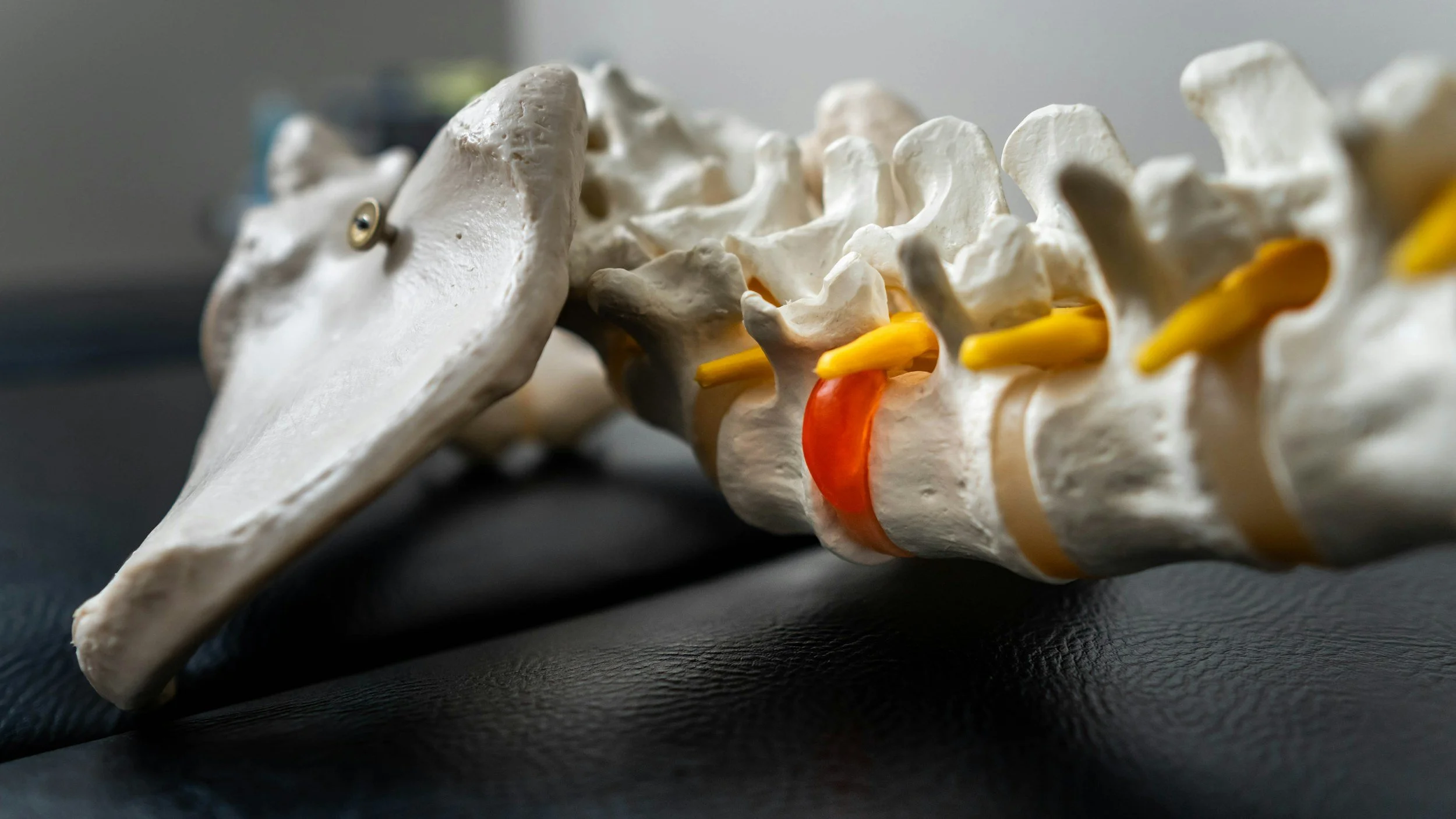
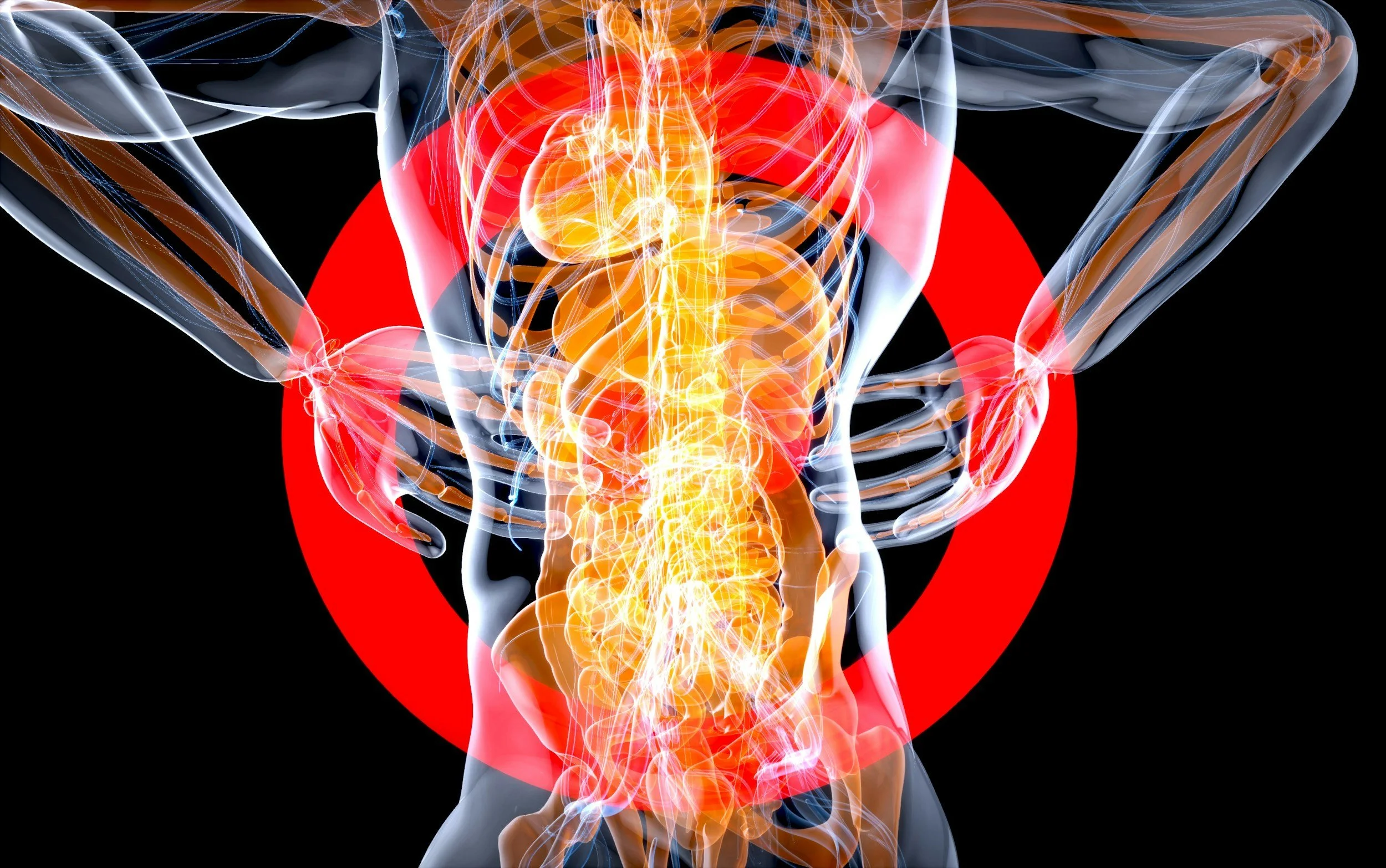
How a Bulging Disc Affects the Body
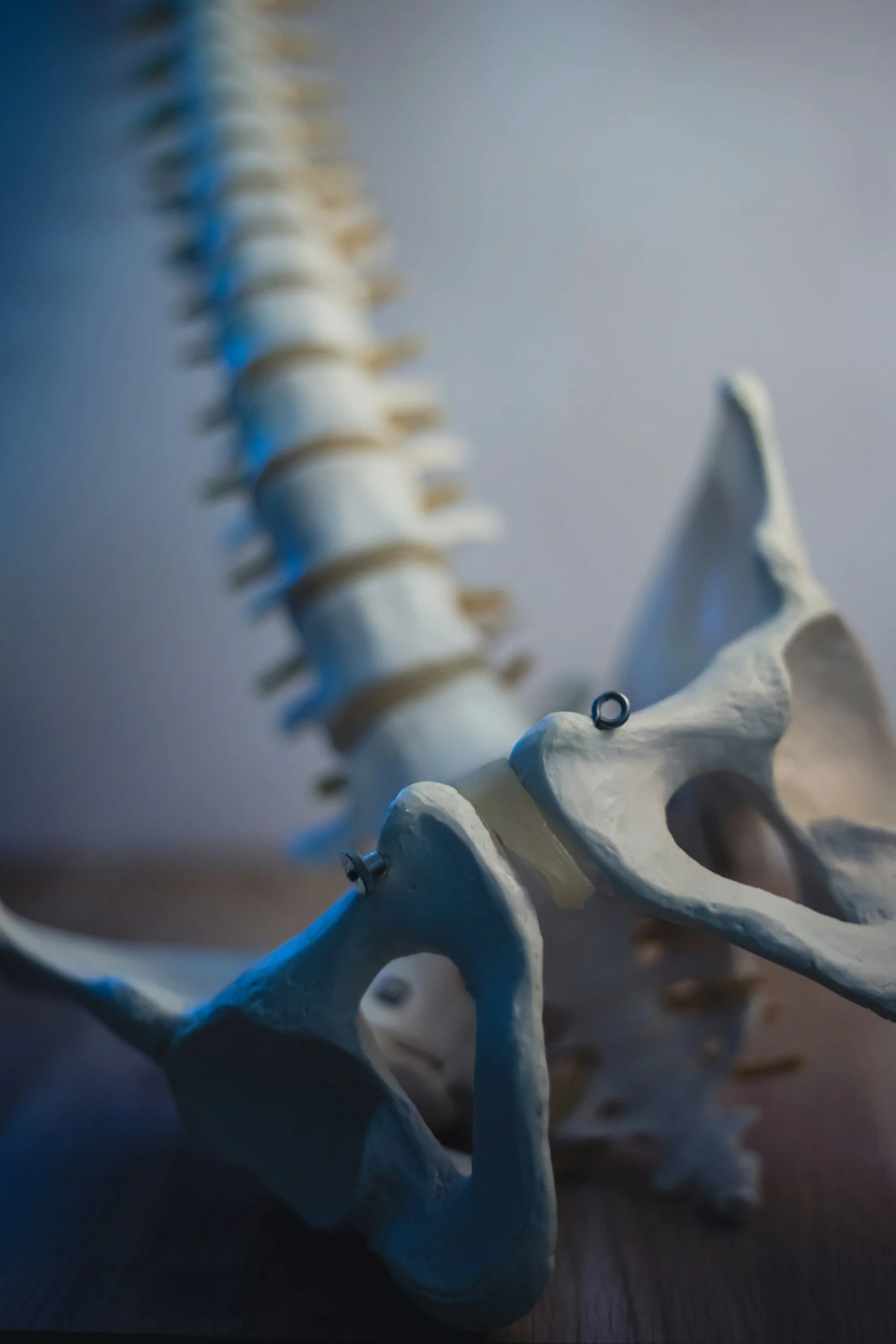
The spine is made up of a series of vertebrae stacked on top of one another, and between each vertebra is a disc made of a tough outer layer and a soft inner core. The discs act as shock absorbers, preventing the vertebrae from rubbing against each other and allowing for smooth movement.
When the outer layer of a disc weakens or tears, the inner core can push through and cause the disc to bulge or herniate. This bulging disc can compress the surrounding nerves, leading to pain and other symptoms. The pressure from the bulging disc can also irritate or inflame the nearby spinal cord, causing further discomfort and potentially affecting the function of the organs and muscles that the nerves control.
Causes of a Bulging Disc
Several factors can contribute to the development of a bulging disc. While some of these factors are related to aging, others may be a result of lifestyle choices or injury. Here are the most common causes of a bulging disc:
1. Aging and Wear-and-Tear
As we age, the discs in our spine naturally begin to lose their elasticity and moisture content, which can cause them to weaken and become more prone to bulging. Over time, this wear-and-tear process can result in disc degeneration, making it easier for the disc to shift or become damaged.
2. Injury or Trauma
A sudden injury or trauma to the spine can cause a bulging disc. This can occur from an accident, such as a fall or car accident, or from lifting a heavy object improperly. The impact from such an injury can cause the disc to shift or tear, leading to a bulging disc.
3. Repetitive Stress
Repetitive motions, poor posture, or improper body mechanics can put continuous pressure on the spine and its discs, eventually leading to a bulging disc. Sitting for long periods with poor posture, lifting heavy objects incorrectly, or bending and twisting repeatedly can all contribute to this condition.
4. Obesity
Excess weight puts additional stress on the spine and discs, increasing the risk of developing a bulging disc. People who are overweight or obese are more likely to experience spinal problems, including bulging discs, due to the added strain on the spine.
Symptoms of a Bulging Disc
The symptoms of a bulging disc vary depending on the location of the disc and the amount of pressure it places on surrounding nerves. Some people may experience no symptoms at all, while others may experience severe pain and discomfort. Here are the most common symptoms of a bulging disc:
1. Localized Pain
Many people with a bulging disc experience pain in the affected area of the spine. This pain is often described as a dull ache or sharp pain that worsens with movement, bending, or twisting.
2. Radiating Pain
If the bulging disc is putting pressure on nearby nerves, the pain may radiate to other areas of the body. For example, a bulging disc in the lower back can cause pain that travels down the legs (sciatica), while a bulging disc in the neck can cause pain in the shoulders, arms, or hands.
3. Numbness and Tingling
Pressure on the nerves can cause numbness or tingling in the affected area. For example, a bulging disc in the neck may cause tingling or numbness in the arms or fingers, while a bulging disc in the lower back may cause similar symptoms in the legs or feet.
4. Muscle Weakness
In severe cases, a bulging disc can affect the function of the muscles controlled by the compressed nerve. This can lead to muscle weakness, making it difficult to perform everyday tasks, such as lifting objects or walking.


How Chiropractic Care Helps with Bulging Discs
Chiropractic care is a safe and effective way to treat bulging discs without the need for surgery or medications. Chiropractors focus on spinal health, using non-invasive techniques to help realign the spine, reduce inflammation, and alleviate pain. Here’s how chiropractic care can help with bulging discs:
1. Spinal Adjustments
Chiropractors use spinal adjustments to correct misalignments in the spine and restore proper alignment. These adjustments help reduce pressure on the affected discs and nerves, promoting healing and relieving pain. By realigning the spine, chiropractic care can reduce the likelihood of future bulging discs and prevent further damage.
2. Spinal Decompression
Spinal decompression therapy is a non-surgical treatment that gently stretches the spine to create space between the vertebrae. This helps alleviate pressure on the discs and nerves, promoting healing and reducing pain. Spinal decompression is particularly effective for people with bulging or herniated discs, as it allows the discs to return to their proper position and relieve nerve compression.
3. Physical Therapy and Rehabilitation
Chiropractors often work with patients to develop a personalized rehabilitation plan that includes stretching, strengthening exercises, and ergonomic adjustments. These exercises help strengthen the muscles that support the spine, improve flexibility, and prevent future bulging discs from occurring.
4. Posture Correction
Chiropractors can provide guidance on improving posture and body mechanics to reduce the risk of bulging discs. Maintaining proper posture can help prevent unnecessary strain on the spine and reduce the likelihood of future injuries.
Benefits of Chiropractic Care for Bulging Discs
Chiropractic care offers numerous benefits for individuals suffering from bulging discs. Some of the key advantages include:
Non-invasive treatment: Chiropractic care is a drug-free, non-surgical alternative to treating bulging discs.
Long-term relief: Chiropractic adjustments and spinal decompression help address the underlying causes of bulging discs, providing lasting pain relief.
Improved spinal health: Chiropractic care promotes better spinal alignment, which can help prevent future bulging discs and improve overall health.
Personalized care: Chiropractors work with each patient to create a treatment plan tailored to their specific needs and goals.
Start Your Journey to Relief from a Bulging Disc
If you’re suffering from a bulging disc and want to avoid surgery or medications, chiropractic care may be the solution you’ve been searching for. At Renaud Chiropractic Clinic, our team is dedicated to providing effective, non-invasive treatments that target the root cause of your pain and help you live a pain-free life.
Ready to experience relief from your bulging disc?Learn more about chiropractic care for bulging discs and schedule a consultation today to start your journey toward a healthier, pain-free life.

Frequently Asked Questions
-
Yes, chiropractic care can help treat bulging discs by realigning the spine, reducing pressure on the discs and nerves, and promoting natural healing.
-
Chiropractors use spinal adjustments, spinal decompression, and other therapies to address misalignments in the spine, reduce inflammation, and relieve pain caused by a bulging disc.
-
Yes, spinal decompression is a safe and effective treatment for bulging discs. It gently stretches the spine to relieve pressure on the discs and nerves, promoting healing without surgery.
-
The timeline for results varies depending on the severity of the bulging disc and individual factors. Many patients experience pain relief after just a few visits, while others may require ongoing treatment.
-
Chiropractic care is generally safe for most people, but it’s important to consult with a chiropractor to determine the best treatment plan for your specific condition.
-
Chiropractors provide spinal adjustments and work with patients on posture correction, ergonomic practices, and strengthening exercises to prevent future bulging discs and improve spinal health.
-
Chiropractic care offers a non-invasive alternative to surgery. In many cases, chiropractic adjustments and spinal decompression can relieve pain and promote healing without the need for surgery.
-
Yes, chiropractic care can help alleviate sciatica pain by addressing the underlying causes, such as nerve compression caused by a bulging disc.
-
Healing time varies based on the severity of the bulging disc, but many patients experience significant relief within a few weeks of chiropractic treatment.
-
Chiropractors will work with you to create a treatment plan that allows you to continue with your daily activities while ensuring proper healing and pain relief.